The modern lifestyle is all about urban living. Choosing between freehold and leasehold property is key for investors.
Knowing the difference between freehold and leasehold is important. But what does it mean for property investment? As cities grow, the difference between these properties matters more.
Investing in property is a big deal. Knowing whether to choose freehold or leasehold can change your investment’s future.

Key Takeaways
- Understand the difference between freehold and leasehold properties.
- Consider how urban living impacts property investment.
- Evaluate the pros and cons of each type of property.
- Assess how your investment goals align with your property choice.
- Make an informed decision based on your financial situation.
Understanding Freehold Property
Freehold property means you own the land and the house on it forever. It’s the most complete way to own property. You have full control over your land and house.
One big plus of freehold property is you can change it as you like. You don’t need a landlord’s okay. This is great for those who want to make their property their own.
But, owning freehold means you’re in charge of fixing and caring for the property. It’s a big job. Yet, you can also make your property more valuable by improving it.
Advantages of Freehold Property
Freehold property has many benefits, including:
- Complete control over the property and land
- Potential for increased property value through renovations
- No risk of lease expiration or renewal issues
Disadvantages of Freehold Property
Freehold ownership also has some downsides:
- Higher upfront costs compared to leasehold properties
- Full responsibility for maintenance and repairs
- Potential for higher property taxes
In summary, freehold property offers many benefits. It’s perfect for long-term investments or a home without lease worries. Knowing what freehold ownership means is key to smart property choices.
Understanding Leasehold Property
Leasehold property means you own the building but not the land it sits on. This is common in city centers. It’s a way to get into the property market without spending a lot.
These properties are found in lively areas. They have modern designs and good management. The person who owns the lease has control for a set time, usually 99 to 999 years.
Leasehold properties cost less upfront than freehold ones. This is good for investors who don’t want to spend a lot at first. But, leaseholders must pay ground rent, which can go up.
Advantages and Disadvantages
Leasehold properties are cheaper to start with and might increase in value. But, there are downsides. You have to pay ground rent and service charges. Also, you might lose the property when the lease ends.
Good property management is key. It keeps the property’s quality and value up. This includes taking care of common areas and the building’s structure.
In summary, leasehold property is a special investment option, great for urban areas. Knowing the lease terms is important for a smart investment.
Key Differences Between Freehold and Leasehold
Freehold and leasehold properties have big differences in ownership, money matters, and upkeep. Knowing these differences helps investors and homeowners make smart choices.
Freehold properties mean you own the land forever. You have full control over the property and land. Leasehold properties, though, have a set time limit. They can last from decades to centuries, but eventually, they go back to the freeholder unless extended.
Freehold properties need a big upfront payment but no ongoing rent. Leasehold properties cost less at first but have regular rent payments. They also might cost a lot for lease extensions.

Maintenance is another big difference. Freehold owners handle all upkeep and repairs themselves. Leasehold owners take care of their inside but share costs for outside and common areas with others.
In cities, choosing between freehold and leasehold affects your lifestyle and investment. Freehold properties offer stability and control, great for those who like to express themselves through their space.
The choice between freehold and leasehold depends on your situation, budget, and goals. Knowing the differences in ownership, money, and upkeep helps you pick what’s best for you in the property market.
Investment Potential: Freehold vs. Leasehold
Choosing between freehold and leasehold property depends on their investment potential. Investors must look at market trends and lifestyle demands that affect property value.
Freehold properties mean owning the land outright, offering security and stability. This is great for those who value permanence in their modern lifestyle. Their value often stays high because they’re not limited by lease terms.
Leasehold properties, on the other hand, have a fixed term of ownership. This can be from decades to centuries. Their value depends on the lease length and ground rent conditions. As the lease ends, the property’s value can drop, impacting resale and rental income.
Investors should compare rental yields and ROI for different properties. They need to consider the purchase price, ongoing costs, and rental income. For leasehold properties, the remaining lease term and ground rents are key factors.
Knowing property market trends is crucial for a smart choice. Trends show which properties might increase in value or earn more rent. For example, areas with high housing demand may see property values rise, benefiting both freehold and leasehold investments.
In summary, freehold and leasehold properties both have investment potential. The right choice depends on market trends, property conditions, and personal goals. By analyzing these factors, investors can make decisions that fit their financial and lifestyle needs.
Legal Considerations
Legal aspects of freehold and leasehold properties are key to making smart investment choices. Knowing the legal scene helps investors deal with the complex world of property ownership.
Freehold properties mean you own the place outright, without any lease limits. You can change or improve the property as you like. Leasehold properties, on the other hand, come with a lease that sets out rules and how long you can use the property.
For any deal to stick, it must be written down in a lease contract. This is really important for leasehold properties. It makes sure both sides know their rights and duties. It’s crucial for investors to get this right to avoid legal trouble.
Rights and Responsibilities
Freehold properties usually have clear ownership rights. The owner has full control over the property. Leasehold properties, though, have rights and duties set by the lease contract. This might limit how you can use the property.
Legal matters also cover who is responsible for upkeep and repairs. Freehold owners handle these tasks alone. Leasehold owners might share these duties with the freeholder, as the lease says.
In short, grasping the legal sides of freehold and leasehold properties is crucial for smart investing. By understanding the legal side and making sure agreements are clear, investors can handle the complex world of property ownership.
Financing Freehold and Leasehold Properties
It’s important to know the financing options for freehold and leasehold properties. The type of property ownership affects the financing choices available.
Freehold properties are easier to finance because the buyer owns the property. This makes it simpler to get a mortgage. Lenders see freehold properties as stable investments.
Leasehold properties, though, can be harder to finance. This is true if the lease has less than 80 years left. Lenders might be hesitant to give mortgages on leasehold properties. This is because the lease could expire or have tough terms.
Key Considerations for Leasehold Financing
Financing a leasehold property involves several important factors. The length of the lease is key. It affects the property’s value and the lender’s decision to offer a mortgage.
The lease terms also matter. This includes the ground rent and service charges. These can change the cost of owning the property and affect financing options.
Investors should carefully look at these factors. They should also consider getting professional advice. This helps navigate the complex world of financing leasehold properties.
Tax Implications
It’s key to know the tax rules for freehold and leasehold properties. This knowledge helps in making smart investment choices. Whether you’re into urban living or a modern lifestyle, tax impacts are crucial.
Property taxes and capital gains taxes are the main tax concerns. Freeholders usually pay property taxes. But, it’s common for both freeholders and leaseholders to split the costs.
Freehold owners face the full brunt of property taxes. Tax rates vary a lot, depending on where the property is and its value.
Leasehold properties have a different tax setup. The lease agreement often outlines who pays what. Leaseholders might pay a part of the taxes through their ground rent or service charges.
Capital Gains Tax Considerations
Both freehold and leasehold properties face capital gains tax when sold. But, the way this tax is figured out can differ. This is because of the different types of ownership and costs involved.
For freehold properties, capital gains tax is based on the sale price minus the original cost and any expenses. Leasehold properties, though, can have more complex calculations. This is because of lease extensions or changes in lease terms.
Grasping these tax rules is essential for investors. It helps them make choices that fit their goals and financial plans.
Resale Value Comparison
When looking at property investment, knowing the difference between freehold and leasehold is key. The resale value of a property depends on several things. This includes the type of ownership and the lease length for leasehold properties.
Freehold properties, where the owner owns the land and the property, usually keep their value better. The land value of freehold properties often goes up, helping the resale value. Leasehold properties, with a limited lease, might see their value drop as the lease ends.
The length of the lease is very important for leasehold properties. Properties with longer leases are more appealing to buyers and keep their value. On the other hand, properties with shorter leases may lose value.
Factors Influencing Resale Value
Many things affect the resale value of both freehold and leasehold properties. For freehold properties, location, condition, and development potential are key. For leasehold properties, the lease term, ground rent, and any lease restrictions are important.
Understanding these factors helps investors make smart choices in the property market. By knowing how freehold and leasehold ownership affects resale value, investors can improve their returns.
Ideal Use Cases for Each Property Type
Freehold and leasehold properties have their own strengths. They fit different investment plans. Knowing these differences helps you make a smart choice.
Freehold properties give the owner full control over the land and building. They’re great for long-term plans. You can make changes or even develop the property as you see fit.
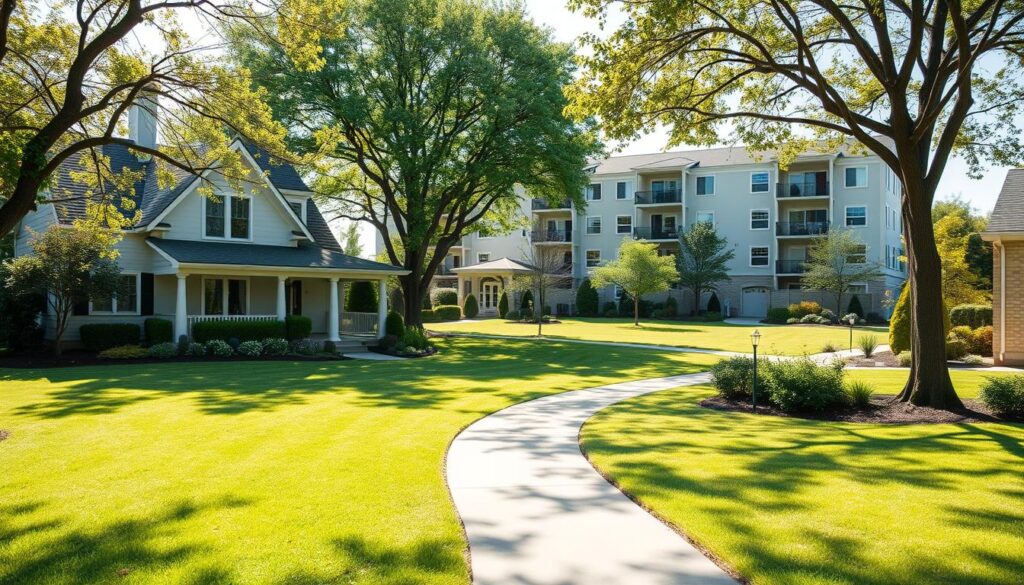
Leasehold properties, on the other hand, are for shorter periods. They’re common in city centres. This makes them perfect for earning money through short-term rentals, like Airbnb. Their appeal in vibrant, innovative areas draws in many renters.
Looking for a property in a city centre? You’ll likely find leasehold ones. They’re a good bet for making money from city living.
Choosing between freehold and leasehold depends on your investment goals. Freehold properties are for long-term plans and development. Leasehold properties are better for quick rental income, mainly in city centres.
Expert Opinions on Investment Choices
Real estate experts often share their views on freehold and leasehold properties. They help investors make smart choices. Their advice is crucial for those looking to invest wisely.
Experts say the long-term effects of each type are key. Freehold properties are generally better than 999-year leases. This is because freehold owners have full control without leasehold’s complexities.
Freehold and leasehold choices affect urban living and creativity. Freehold properties are more flexible for renovations. They suit those wanting unique homes.
Experts agree that freehold properties are safer and may appreciate more over time. Yet, leasehold properties can be appealing. They might be cheaper or in better locations.
The freehold vs. leasehold debate shows the value of expert advice. By understanding both, investors can choose what fits their financial and lifestyle needs.
Final Thoughts: Which is Right for You?
Knowing the difference between leasehold and freehold properties is key. It helps you make a choice that fits your lifestyle and investment plans.
Think about your long-term goals and money situation when choosing. Freehold properties give you more control and can increase in value over time. Leasehold properties might cost less upfront but have lease issues to deal with.
Consider the latest trends in real estate and how they might affect your property’s value. Your decision should be based on what you want to achieve and the features of each property type.
Choosing wisely means carefully thinking about the facts. This way, your investment will help you financially and meet your changing needs.
FAQ
What is the main difference between freehold and leasehold property?
What are the advantages of owning a freehold property?
Are leasehold properties more affordable than freehold properties?
How do lease contracts impact property ownership?
Can I get a mortgage on a leasehold property?
How do tax obligations vary between freehold and leasehold ownership?
What factors affect the resale value of freehold and leasehold properties?
Are freehold properties more suitable for certain investment strategies?
How do expert opinions influence investment choices between freehold and leasehold properties?
What should I consider when deciding between freehold and leasehold property?
