Industrial properties are becoming a top choice for investors. This is thanks to the rise of online shopping and the need for more storage and distribution spaces. As people shop more online, the demand for these properties is growing. This leads to good returns for those who invest.
The culture of online shopping has changed how businesses work. Companies now need big spaces for storing and distributing goods. Because of this, industrial properties are making 8-12% each year. This is much better than what you can get from homes or office buildings.
Key Takeaways
- Industrial properties offer strong long-term returns driven by e-commerce growth.
- The demand for logistics and distribution spaces is on the rise.
- Industrial properties outperform residential and commercial alternatives.
- The modern lifestyle is driving the need for industrial spaces.
- Investors can expect returns between 8-12% annually.
The Rising Importance of Industrial Properties
Industrial properties are key in today’s fast world. The market is growing due to e-commerce, supply chain changes, and bringing manufacturing back. These factors are making industrial spaces more valuable.

Investors see the potential and are looking to buy. This is making the industrial sector grow fast. People want to make money in the long run.
The reasons for industrial growth are many. E-commerce needs more places to store and ship goods. Supply chains are getting better, making spaces more efficient.
Also, bringing manufacturing back to the US is creating demand. This means we need spaces that can handle new manufacturing needs. These spaces need the latest technology and infrastructure.
As the market keeps changing, industrial properties will be even more important. Those who get the trends will find great opportunities. They can make the most of the growth.
Advantages of Industrial Properties
Investing in industrial properties comes with many benefits. One key advantage is the chance to earn higher rental income. This is compared to other commercial property types.
These properties often have innovative design features. They include high ceilings, large loading docks, and advanced logistics areas. This street style design boosts both looks and function.
Another big plus is the lower vacancy rates. With e-commerce on the rise, demand for spaces like warehouses and distribution centers is up. This demand keeps vacancy rates low, offering investors a steady income.
Long-Term Lease Structures
Industrial properties usually have long leases, lasting 5 to 10 years or more. This means investors get a steady income and face less risk from frequent tenant changes.
The mix of higher rental income, lower vacancy rates, and long leases makes industrial properties a great choice. As the industrial sector grows, using innovative design and street style will be key to keeping tenants happy.
Diversification Benefits of Industrial Investments
Investing in industrial properties can be a smart move. It helps investors spread out their risk and increase their returns. Industrial investments can balance a real estate portfolio, making it less dependent on one type of property.
Industrial properties tend to do well even when the economy is down. This is because they provide essential services and goods. For example, logistics and manufacturing facilities are always needed.
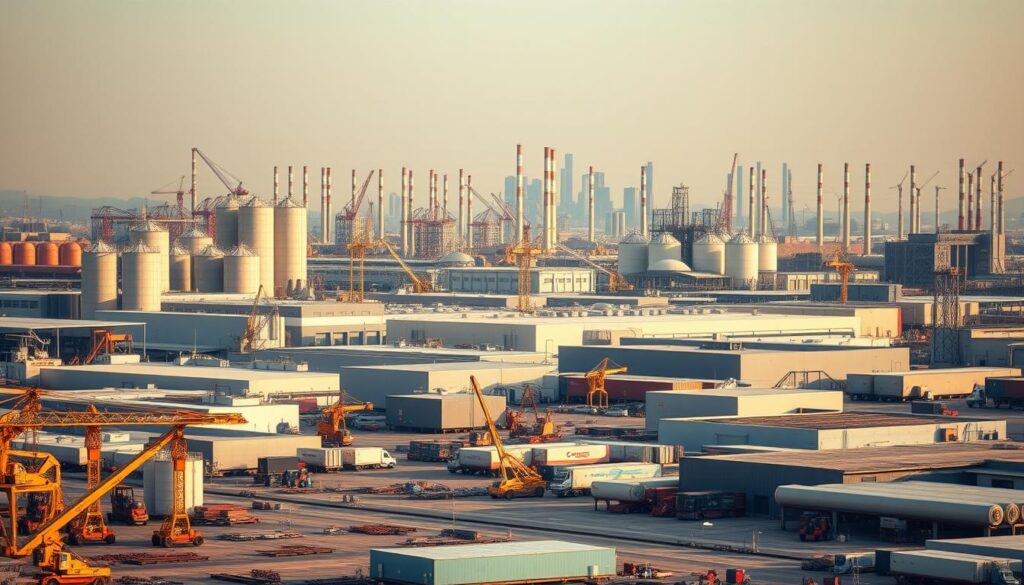
Just like a diverse art collection can be valuable, a real estate portfolio with industrial properties can also benefit. This strategy helps manage risk and potentially increase value over time.
Adding industrial properties to a real estate portfolio can lower overall risk. It can also improve long-term returns. This makes industrial properties a great choice for a balanced and strong investment strategy.
Key Factors Influencing Investment Decisions
Several key factors shape the outcome of industrial property investments. It’s vital to understand these elements for making smart choices. This ensures strong returns in the long run.
Location is a major factor. The spot where an industrial property sits greatly affects its value and growth potential. Being close to transport hubs like ports and airports makes a property more appealing to tenants.
Infrastructure is also crucial. Properties need modern, well-kept roads, utilities, and telecoms for smooth operation. Investors should check the quality and sufficiency of the infrastructure.
Market research is essential for investment decisions. It helps investors grasp the demand for industrial spaces, rental rates, and the competitive scene. This info is key for gauging investment potential.
Assessing Market Trends
Keeping up with market trends is important too. Trends in e-commerce and logistics can greatly influence industrial property demand. For example, e-commerce growth boosts demand for distribution centers and logistics facilities.
By weighing these factors carefully, investors can make better choices. This boosts the chances of getting good returns from industrial property investments.
The Role of E-commerce in Industrial Growth
E-commerce has changed the industrial sector a lot. It has increased the need for warehouses and distribution centers. This trend is expected to grow, with e-commerce becoming a bigger part of retail sales soon.
E-commerce companies need big, well-located warehouses to handle their stock and ship orders fast. This has made industrial properties very popular, mainly in areas with good transport links.
The way last-mile delivery works has also changed a lot because of e-commerce. Now, people want fast and flexible delivery options. So, companies are spending on logistics and distribution networks to meet these needs.
The rise of e-commerce has also led to new types of warehouses and distribution centers. These modern places are very efficient. They have advanced inventory systems and automated processes.
As e-commerce keeps growing, its effect on the industrial sector will be seen for a long time. Investors and developers who get these changes can make good money from the new industrial property landscape.
Understanding Tenant Needs in Industrial Spaces
Tenant needs in industrial spaces vary a lot. They are shaped by modern lifestyle and urban culture. As the industrial property market grows, knowing what tenants want is key.
Customization and flexibility are crucial for tenants. Different industries have unique needs. For example, e-commerce companies need big spaces for inventory and quick order fulfillment. Manufacturers require facilities with strong floors and high ceilings for equipment.
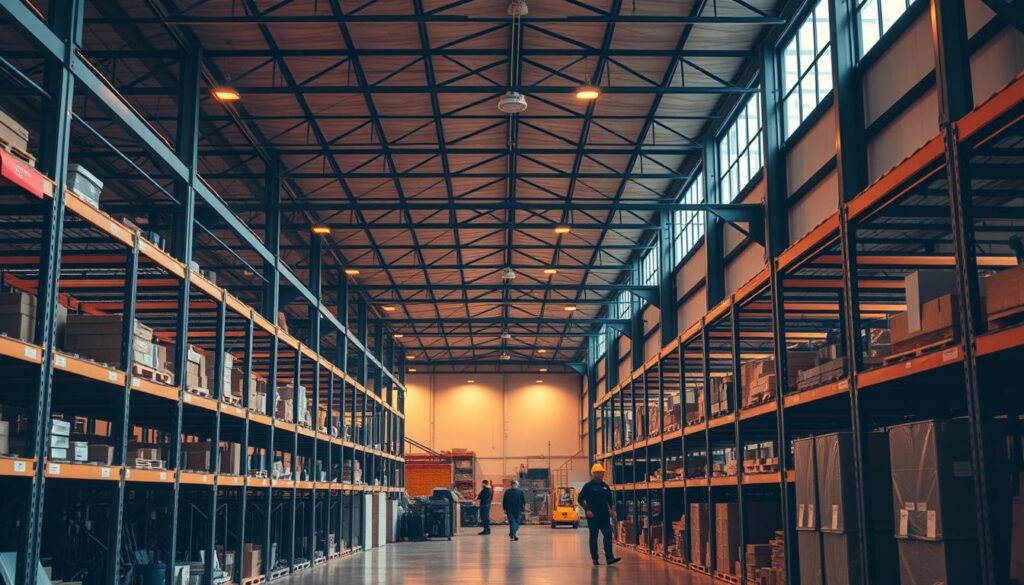
The modern lifestyle and urban culture influence tenant needs too. With more remote work and changing consumer habits, tenants seek adaptable spaces. They want amenities that support their workforce’s well-being and efficient logistics.
Industry-Specific Requirements
Different industries have specific needs for industrial spaces. For instance, the food and beverage industry needs advanced refrigeration and strict hygiene. The technology sector requires spaces with top-notch data centers and fast internet.
It’s vital for industrial property owners and managers to understand these needs. By offering spaces that meet these requirements, they can attract and keep quality tenants. This drives the success of their investments.
Financing Options for Industrial Properties
Getting the right financing is key for investing in industrial properties. There are many options, each with its own pros and cons.
Traditional loans are a common choice. Banks and financial institutions offer them. They are often straightforward and can save money. But, you need good credit and a big down payment.
Alternative financing is also popular. This includes private money lenders, hard money loans, and crowdfunding. They offer flexible terms and quick approval. But, they have higher interest rates and fees.
CMBS (Commercial Mortgage-Backed Securities) financing is another option. It uses commercial properties to raise capital. It’s great for big deals. But, it’s complex and can have high interest rates.
It’s important to understand each financing option well. This helps investors make smart choices. By looking at traditional loans, alternative financing, and CMBS, you can find the best fit for your goals.
Looking Forward: Future of Industrial Properties
Technological innovation and sustainability are changing the industrial property scene. These changes will shape the future of industrial spaces.
Advanced technologies like automation and artificial intelligence will keep transforming industrial areas. They will make operations more efficient and improve work environments.
Sustainability will be a big focus, with industrial properties becoming greener. They will use energy-efficient systems and follow green building practices. This move is driven by laws and a desire to lessen environmental harm.
Industrial property design will also change a lot. It will focus on being flexible, adaptable, and good for employees. You might even see contemporary art in these spaces to make them more inspiring.
As the industrial property sector grows, it’s key for everyone involved to keep up. Knowing the trends can help investors, developers, and users make smart choices. This way, they can achieve long-term success.
Conclusion: Why Choose Industrial Investment Today?
Industrial properties are now a top choice for investors. They offer strong returns and help diversify portfolios. The growth of e-commerce and changing consumer needs make this sector attractive.
The youth’s love for online shopping drives industrial growth. This shapes the modern logistics and supply chain. Investors who understand these trends can make smart choices and earn more.
Investing in industrial properties is easier than ever, thanks to various financing options. As the sector evolves, staying updated is key. This way, investors can seize the opportunities in this booming market.
FAQ
What drives the growth of the industrial real estate market?
How do industrial properties provide higher returns compared to other real estate investments?
What are the benefits of diversifying a real estate portfolio with industrial investments?
How does location impact the success of an industrial property investment?
What role does e-commerce play in driving demand for industrial spaces?
What financing options are available for industrial property investments?
How can investors understand the needs of tenants in industrial spaces?
What are the future trends shaping the industrial property sector?
