Welcome to our latest article on modern interior design trends. If you’re looking to update your home decor and stay on top of the latest design trends, you’ve come to the right place. In this article, we will explore the exciting developments in interior design that will inspire and transform your living spaces. From color schemes to furniture arrangement, we will provide creative solutions to help you create a stylish and inviting home.
Interior design is constantly evolving, and staying up-to-date with the latest design trends is essential to achieve a modern and sophisticated look. Whether you’re planning a complete home renovation or a simple refresh, understanding the latest trends will guide you in making the right choices to enhance your space.
Throughout this article, we will discuss key design trends that are set to dominate in 2024. From the resurgence of brown as the color of choice to the incorporation of dynamic range hoods as focal points in the kitchen, these trends will empower you to create a home that is both stylish and functional.

Brown Renaissance – The Color of Choice
Design experts predict that browns will be the color of choice in 2024. This trend will be seen not only in fabrics and textiles but also in cabinetry and casegoods. The popularity of brown has been supported by a survey conducted by the New York Design Center, where over 90 percent of respondents predicted that brown would be the color of choice in 2024. Designers are incorporating brown tones in various ways, such as painting trim and ceilings or using it in wallpaper.
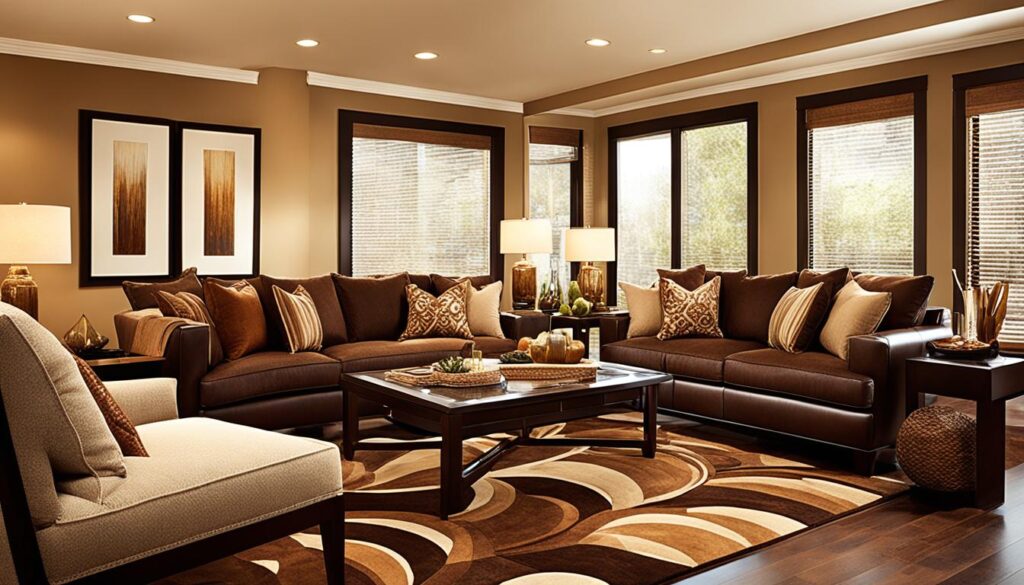
Incorporating brown into interior design schemes adds warmth and sophistication to a space. Brown hues can create a cozy and inviting atmosphere while maintaining a contemporary and modern look. From light taupes to rich chocolates, the versatility of browns allows designers to integrate this color into any design style, whether it be traditional, minimalist, or eclectic.
The use of brown tones can be seen in furniture upholstery, decorative accessories, and even accent walls. By carefully selecting the right shade of brown, designers can achieve a harmonious and visually stunning color scheme that complements the overall design of the space.
When using brown in interior design, it is essential to consider its relationship with other colors within the color scheme. Browns can be paired with neutral tones such as whites, beiges, and grays to create a soft and calming ambiance. Alternatively, bold color combinations, such as brown with deep blues or vibrant yellows, can add a striking and adventurous element to the design.
The resurgence of brown in interior design signifies a shift towards warmer and more grounded color palettes. As people seek a sense of comfort and stability in their homes, the timeless appeal of brown provides a perfect solution. Whether it’s a cozy living room, a luxurious bedroom, or a welcoming dining area, incorporating brown into your interior design can create a space that exudes sophistication and style.
Sculptural Art for Depth and Dimension
In the world of interior design, sculptural art is quickly gaining popularity as a powerful tool to add depth and dimension to any space. Designers are incorporating wall-mounted sculptures in various finishes, textures, and shapes to create captivating visual interest that elevates the overall aesthetic.
By strategically placing sculptural pieces, interior designers can transform a room into a work of art. These artistic additions can be used to enhance a Zoom background, injecting a touch of sophistication and style into virtual meetings. Alternatively, they can serve as stunning focal points, commanding attention and creating a sense of drama in a specific area of a room.
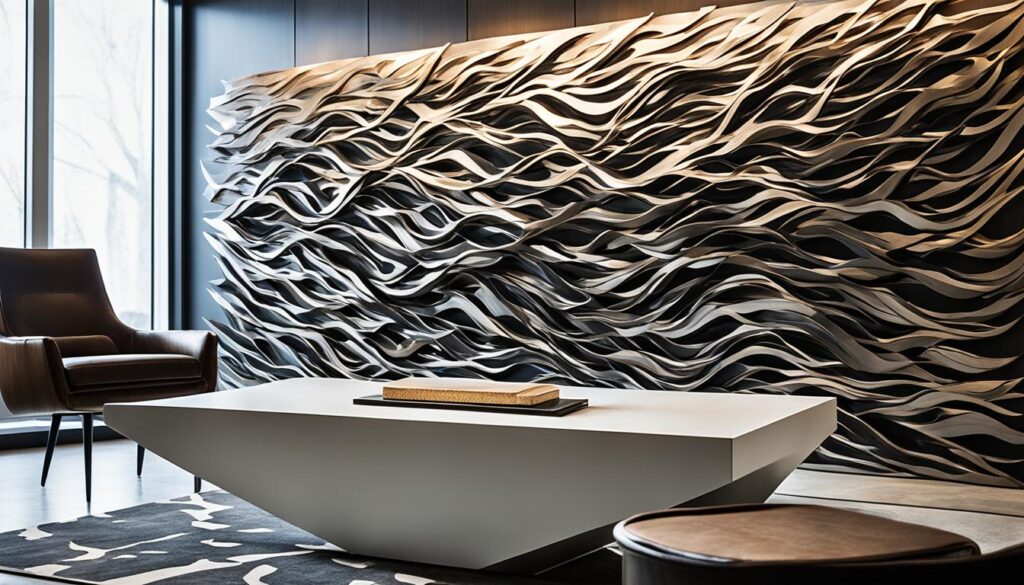
When it comes to sculptural art, there are no limits to creativity. Pieces can range from bold and striking designs in black and white, creating a striking contrast against the surrounding elements, to more subtle and understated sculptures that blend harmoniously with the overall color scheme of the space.
Thanks to their ability to engage the viewer on both a visual and tactile level, sculptural art pieces are becoming a must-have in contemporary interior design. Whether it’s an abstract sculpture or a meticulously crafted figurine, these artistic additions infuse a sense of sophistication and elegance into any space.
Dynamic Range Hoods as Focal Points
When it comes to kitchen design, range hood vent covers are no longer just functional elements, but also stylish focal points. Designers are incorporating dynamic range hoods that not only efficiently remove smoke and odors from the kitchen but also make a bold statement in terms of design.
These range hoods are being designed with bolder and more eye-catching features, such as distinct textures like plaster or wood fluting. The use of these unique textures adds visual interest and creates a focal point that draws the attention of anyone entering the kitchen.
Pairing these dynamic range hoods with beautiful and dramatic ranges completes the cohesive look of the kitchen. Whether it’s a contemporary or industrial design style, the range hood can be chosen to complement the overall aesthetic and enhance the visual appeal of the space.
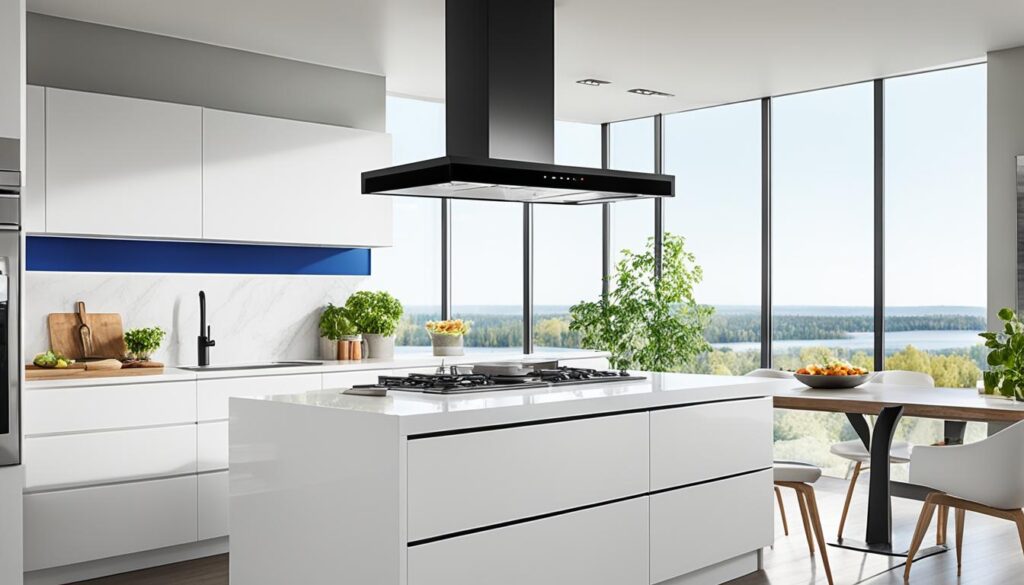
With the emphasis on both functionality and style, dynamic range hoods are becoming a popular choice among homeowners who want their kitchen design to make a statement. Whether it’s a sleek and modern design or a more rustic and textured look, these range hoods elevate the overall ambiance of the kitchen while ensuring optimal ventilation.
A Return to “Dumb Homes” and Mechanical Controls
A shift is occurring in interior design trends, with clients expressing a strong desire for simpler, less tech-driven living spaces. The focus is on creating a more relaxed and rejuvenating home environment by reducing the influence of smart home technology and embracing mechanical controls.
Gone are the days of harsh blue lights and bright touchscreens dominating our interiors. Instead, homeowners are turning to old-school buttons and toggle switches as the preferred method of control. These mechanical controls not only evoke a sense of nostalgia but also provide a tangible and satisfying user experience.
This trend extends beyond the main living areas and into the bathroom as well. High-tech toilet washlets are being replaced with simpler options, allowing homeowners to create a more serene and tranquil space. The bathroom, once touted as a haven for smart technology, is now transformed into a sanctuary where individuals can disconnect from the digital world and focus on self-care.
Why the shift?
The return to “dumb homes” and mechanical controls can be attributed to several factors. First and foremost, many individuals have become increasingly concerned about privacy and data security in our hyper-connected world. By minimizing the use of smart home technology, homeowners can regain a sense of control over their personal information.
Moreover, the proliferation of smart home devices has led to a growing complexity in managing and troubleshooting these systems. Mechanical controls offer a simpler and more intuitive solution, eliminating the need for extensive technical knowledge or reliance on external support.
Lastly, the nostalgic appeal of mechanical controls cannot be underestimated. The tactile feedback and satisfying click of a button or switch bring a certain charm and authenticity to interior spaces. It creates a sense of familiarity and connection to the past, adding a touch of warmth and personality to the overall design.
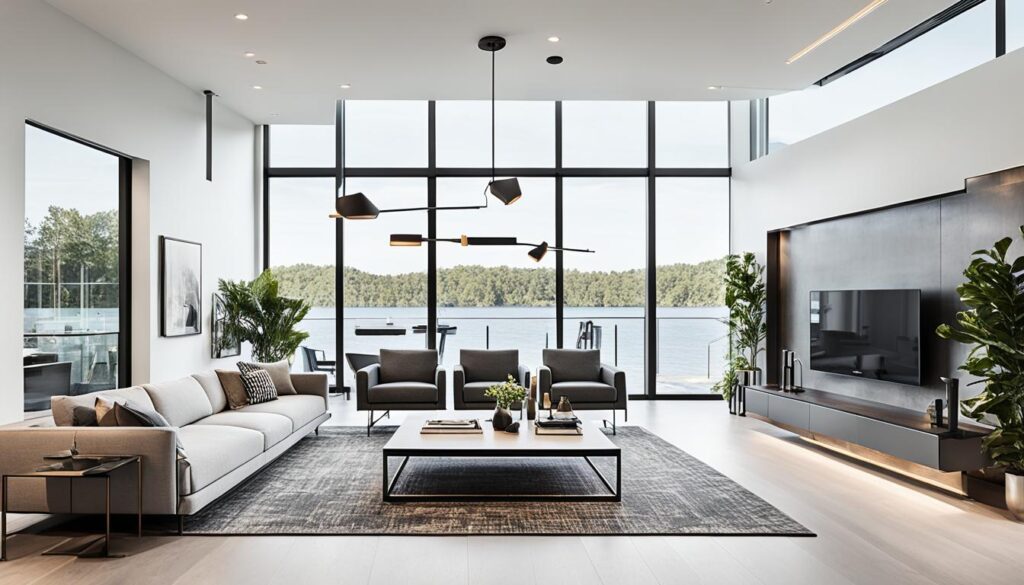
In conclusion, the trend of embracing mechanical controls and moving away from smart home technology is gaining traction in the world of interior design. By incorporating old-school buttons and toggle switches, homeowners can create a more serene and personalized living environment while simultaneously addressing concerns of privacy, complexity, and nostalgia.
Bold Colors and Surprising Murals
Designers are embracing a shift away from neutral color schemes and towards bold and audacious color choices in interior design. The days of gray and white kitchens are being replaced with exciting and edgy color combinations that add personality and vibrancy to the space. These bold colors are being used not only on walls and cabinetry but also in furniture, accessories, and textiles, creating a visually stimulating environment.
Alongside the trend of bold colors, murals are making a surprising comeback in interior design. Designers are incorporating murals in unexpected places such as foyers and stair halls. These previously neglected areas are now being transformed into captivating spaces that make a statement and add visual interest. Murals provide a unique opportunity to incorporate art and storytelling into the design of a home, creating a sense of depth and personalization.
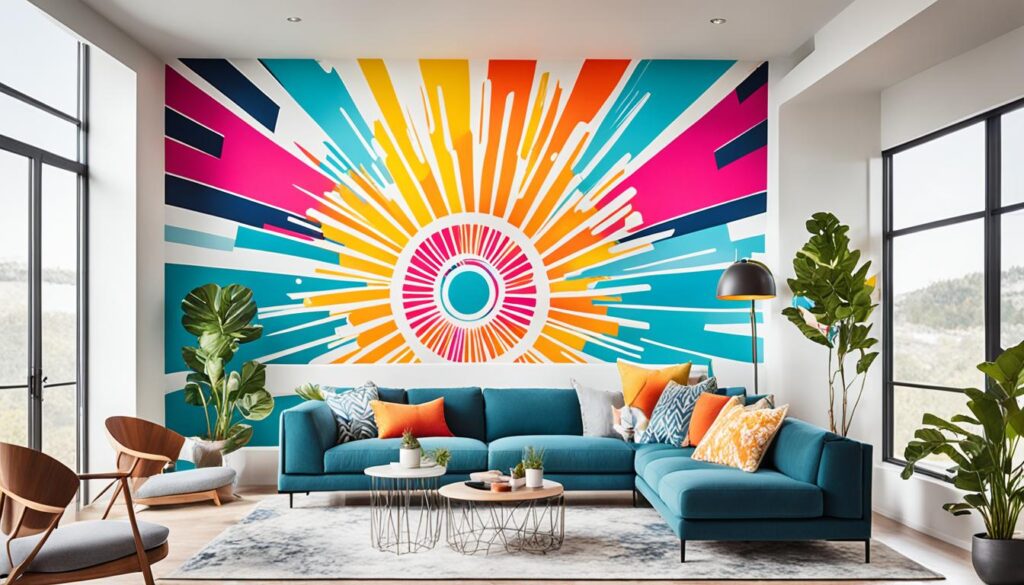
Stairwells, in particular, are becoming a popular canvas for murals. Rather than being seen as purely functional areas, stairwells are now seen as an opportunity to create a cohesive and visually stunning journey throughout the home. From whimsical and nature-inspired designs to abstract and geometric patterns, stairwell murals can completely transform the atmosphere of a space, adding a touch of drama and creativity.
The use of bold colors and surprising murals in interior design allows homeowners to express their individuality and create unique spaces that reflect their personal style. Whether it’s a vibrant accent wall or a captivating mural, these design elements inject energy and personality into a room, making it a truly memorable and inspiring environment.
Innovative Materials and Customized Secondary Spaces
As interior design trends continue to evolve, designers are incorporating a range of innovative materials into their projects, pushing the boundaries of creativity and sustainability. One such material gaining popularity is the use of seaweed lamps, which not only add a unique aesthetic to a space but also provide an eco-friendly lighting solution. These lamps harness the natural beauty and durability of seaweed, making them a versatile and sustainable choice for modern interiors.
Another innovative material making waves in interior design is mycelium. Derived from fungi, mycelium-based features offer a novel approach to designing functional and visually appealing spaces. From intricate wall panels to sculptural elements, mycelium brings nature indoors while contributing to a more sustainable and eco-conscious design ethos.
In addition to embracing innovative materials, homeowners are increasingly recognizing the value of customized secondary spaces within their kitchens. Back kitchens and butler’s pantries are becoming popular additions, providing auxiliary areas that enhance functionality and organization. These secondary spaces serve as hidden hubs for additional appliances and storage solutions, enabling homeowners to maintain a clutter-free and efficient kitchen setup. Customized secondary spaces not only streamline daily tasks but also add a touch of luxury and sophistication to the overall design.
Source Links
- https://www.housebeautiful.com/design-inspiration/g46075697/interior-design-trends-2024/
- https://www.livingetc.com/whats-news/the-biggest-interior-trends-195539
- https://www.homesandgardens.com/interior-design/interior-design-trends
