
The “30 by 30 Singapore” initiative is a groundbreaking plan to transform the nation’s food production landscape. It aims to achieve sustainability and food security. This initiative is critical, addressing the pressing issue of food dependency on global markets.
Currently, 90% of Singapore’s food comes from overseas, highlighting a heavy reliance on international supply chains. Such dependency poses significant risks, as disruptions in global trade could severely impact food availability. The ’30 by 30 Singapore’ initiative seeks to produce 30% of the country’s nutritional needs locally by 2030. This goal aims to enhance self-sufficiency and secure the nation’s food future against global supply disruptions.

The 30 by 30 initiative is a key component of the “Singapore Green Plan 2030.” This plan is dedicated to fostering sustainability in the urban environment. It ensures a stable food source, even under adverse conditions. This initiative addresses immediate food security concerns and promotes ecological and economic benefits beyond food production.
Building self-sufficiency is central to Singapore’s ambitious endeavor. By cultivating more food locally, the nation can reduce its dependence on foreign imports. This move creates a robust safety net for its food supply chain, safeguarding against international crises and promoting agricultural resilience.
The 30 by 30 goal goes beyond food production, embracing a holistic approach to sustainable living. By cultivating food locally, Singaporeans can reduce their carbon footprint, contributing to a greener future. This initiative benefits individual well-being, community welfare, and fosters a more interconnected society.
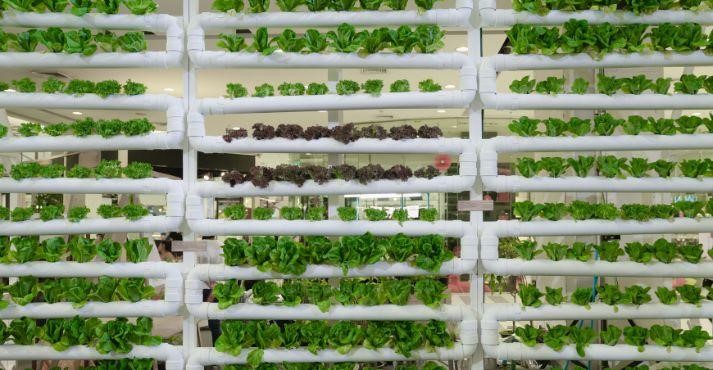
The 30 by 30 goal has multi-faceted implications. It ensures access to sufficient food resources, bolstering food security. It also reflects a commitment to environmental responsibility, fostering sustainable agricultural practices. This approach ensures the longevity of Singapore’s agricultural endeavors.
Aside from securing food sources and promoting sustainability, the initiative stimulates the economy and also created more food factory. It creates opportunities for job growth and economic stimulation in the agri-food sector. This initiative provides a secure food future, fostering entrepreneurship and innovation in agriculture.
To achieve the 30 by 30 goal, Singapore has outlined several strategic approaches. These include embracing innovative farming techniques and resource efficiency measures. These methods aim to revolutionize local food production, optimizing outputs while using fewer resources.
- Embrace Innovation: Singapore is advancing in agricultural technology, integrating advanced farming techniques. Vertical farming innovations and indoor fish farming are being adopted, maximizing production and utilizing sustainable practices.
- Resource Efficiency: The initiative focuses on conserving water and minimizing waste in food production. Efforts like rainwater harvesting and upcycling wasted food into compost enhance sustainable practices and optimize resource utilization.
- Empowering Local Farmers: The Singapore Food Agency (SFA) provides grants and training programs to support local farmers. Initiatives like the Agri-Cluster Transformation (ACT) fund empower farmers to adopt new technologies and sustainable practices, contributing to national food goals.
Successful initiatives like Sky Greens and Apollo Aquaculture Group showcase the 30 by 30 goal’s potentials. Sky Greens pioneers vertical farming techniques, while Apollo Aquaculture Group leads in sustainable fish farming. Community-centric approaches like Citizen Farm emphasize engagement and education in sustainable agriculture, empowering citizens to participate in local food production.
The 30 by 30 initiative, aiming for 30% of Singapore’s food to be locally produced by 2030, presents both challenges and opportunities. Limited land, high initial costs, and consumer resistance are hurdles. Yet, it also offers chances for job creation, innovation, and public awareness. By focusing on local food, Singapore aims to enhance food security and economic resilience, setting a path for sustainability.
The 30 by 30 initiative transcends a mere target; it represents Singapore’s vision for a food ecosystem that is secure, resilient, and sustainable. Through innovative approaches, community involvement, and a dedication to self-sufficiency, Singapore is charting a course toward a future where local agriculture is central. The collaboration between the government, farmers, and the community is essential. Together, they are building a food system that not only fulfills current needs but also flourishes for future generations.
